

The Debate of “Shine vs. Value”
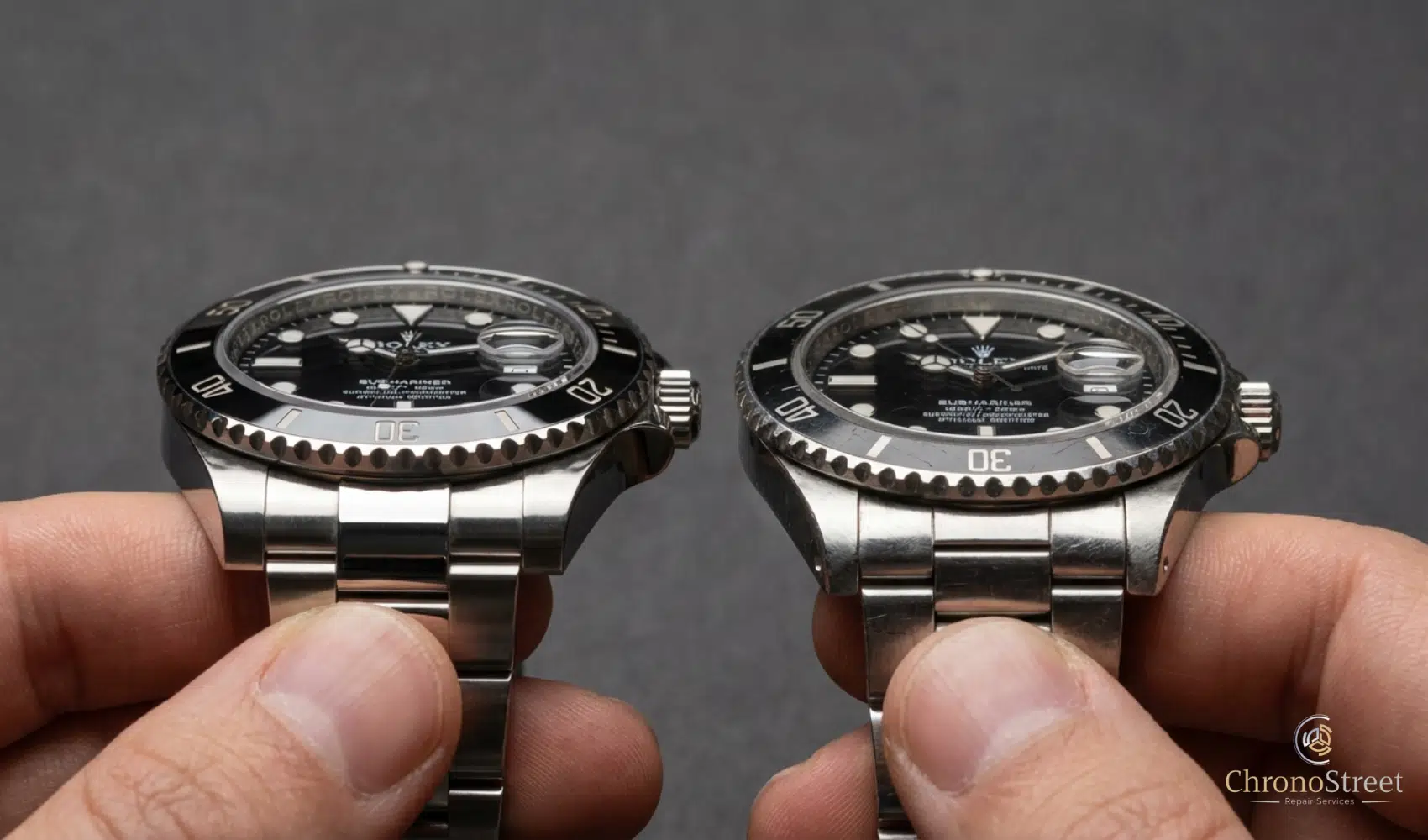
A light refinishing by a professional is usually okay for modern watches. However, polishing is dangerous for vintage models or high-end pieces like Patek Philippe. It changes the original watch case geometry. Collectors prefer watches with scratches over watches that have been polished too much.
We are experiencing significant price changes this year. For example, Rolex increased prices by about 7% in the U.S. That’s why buyers are very picky because new watches are more expensive. In fact, buyers want “investment grade” quality, meaning the metal’s condition is more important than its shine.
Why Polishing Can Be an Irreversible Mistake?
A professional watch service uses an abrasive wheel or a lapping machine to make a watch shine. The process creates a smooth surface by removing scratches. However, the watchmaker must remove the metal to remove the scratch.
Material Loss
Every time a luxury watch gets polished, it loses a small layer of steel, gold, or platinum. Remember, this loss is permanent. You can’t put the metal back. If you refinish a watch three or four times, the shape changes forever.
Symmetry and Proportions
Luxury watches have very specific shapes. The lugs, which are the parts that hold the strap, should be thick and even. If a polisher works too hard on one side, the watch becomes asymmetric. Buyers look for “thin lugs,” and if one lug is thinner than the others, it is a sign of bad maintenance.
Blurring the Details
High-end watches have sharp lines called “chamfers” and crisp engravings on the case back. Refinishing softens these sharp edges and makes the watch look like a used bar of soap. The value drops immediately if the manufacturer’s hallmarks on the case back look faded.
The “Vintage” Rule: Why Collectors Pay for Scratches
Unpolished is the most important word in the vintage market. For instance, an unpolished Rolex premium is real. A vintage Submariner from the 1970s with scratches is worth thousands of dollars more than the same watch that looks new. Serious buyers want the original factory shape. The value is even higher if you have an Unpolished Full Set that contains the watch plus the original box and papers.
Patina is the Soul. In fact, collectors call the aging process “Patina.” Scratches and fading tell the story of the watch and show that it is authentic. Artificial perfection looks fake to a trained eye. Vintage watch patina value 2026 is currently trending high.
Moreover, you must think of antique furniture. You don’t strip the paint off a 200-year-old chair. So, the same rule applies here. A watch with “honest wear” (scratches from normal use) is better than a watch that has been melted by a polishing wheel. A melted watch loses its crisp lines and looks over-restored.
Modern Daily Wearers: When Polishing is Acceptable
The rules are slightly different for watches you bought in 2020 versus a watch from 1960. If you must polish your modern watch, only use an Authorized Service Center because it follows the strict factory rules. The center uses a lapping machine correctly to restore flat surfaces and applies the correct satin finishing.
In addition, modern watches are made of high-quality and robust materials. Rolex uses 904L steel, which is harder than vintage steel. Ceramic bezels also don’t scratch easily. These materials can handle a very light refinish better than older, softer alloys.
Don’t polish your watch every year. A good rule is to only consider it during a major service, which happens roughly every 10 years. If you get a small scratch a week after polishing, let it be. Constant refinishing will ruin the case.
How to Identify an Over-Polished Watch
Check for these signs before you buy a pre-owned watch. This is how to tell if a watch is over-polished.
- Lug Sharpness: Run your finger over the edge of the lugs. They should feel sharp enough to catch your fingernail. It has polished heavily if they feel round and smooth.
- Spring Bar Protrusion: Look at the holes where the strap connects. If the spring bars or the metal pins stick out past the metal of the lugs, it means too much metal was removed. Remember, this is a very bad sign.
- Finish Consistency: Look at the satin finishing, which are brushed parts of the watch. The lines should be straight and parallel. If the finish looks “washed-out” or if the brushed areas look like mirrors, the watchmaker had not done the job accurately.
2026 Brand-Specific Value Impacts
| Brand or Model | Unpolished Condition | Over-Polished Condition | Estimated Market Value Gap |
| Rolex Daytona (Vintage) | High Premium | Significant Devaluation | 35% to 50% |
| Patek Philippe Nautilus | Investment Grade | Moderate Devaluation | 20% to 30% |
| Omega Speedmaster | Preferred | Slightly Reduced | 10% to 15% |
| Audemars Piguet Royal Oak | Premium | High Devaluation | 25% to 40% |
Also Read: Rolex Bracelet Tightening & Restoration
Rolex
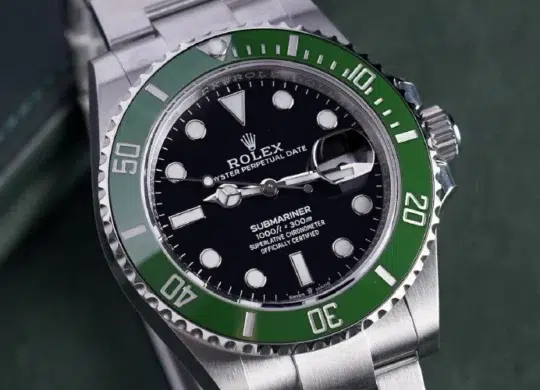
The market for unpolished Rolex Submariner premium 2026 is strong. However, Rolex has a “Certified Pre-Owned” CPO program. Watches in this program are usually polished by Rolex to look new. Although this is safe for buyers who just want a nice watch, serious collectors still prefer the original and untouched condition outside the CPO program.
Patek Philippe
The bezel shape is everything for models like the Nautilus or Aquanaut. These watches have complex flat and brushed surfaces. A bad polish ruins the geometric look. The price gap between a Patek 5711 unpolished vs polished one is massive. Therefore, avoid refinishing these unless necessary to maintain the watch’s “investment grade” status.
Audemars Piguet
The Royal Oak is famous for its octagonal bezel and sharp angles. It is one of the hardest watches to polish correctly, and a single mistake can round off the sharp corners, which destroys the iconic design. The Audemars Piguet Royal Oak bezel refinishing cost is high because it requires expert skill. An over-polished AP is very hard to sell.
How to Restore Luster Without Removing Metal
You can make your watch look better without removing metal. Dirt and oil make a watch look dull. A professional ultrasonic cleaning for the bracelet removed from the watch head works wonders.
Besides, use a soft toothbrush and mild soap for the case to remove grime and make the steel shine naturally without changing the watch case geometry.
You must be very careful with DIY products like Cape Cod cloths because they are abrasive. If you rub a satin finish with these cloths, you will turn it into a shiny surface, which ruins the factory finish. Never use these on a high-value watch.
Final Words: Always Follow the Preservation-First Rule
The watch market is smarter and stricter today. Prices are high, and buyers check every detail, especially if it is a Full Set. The decision to polish is actually trading long-term value for short-term beauty. You can always polish a watch later, but you can never put the metal back.
Are you thinking of selling your timepiece? Don’t rush to the polisher. Get a professional watch condition appraisal at ChronoStreet to see if your luxury timepiece is worth more with its scratches.